What to Do After Land Clearing: How to Turn a Cleared Property Into a Usable Landscape in Marietta, GA
Once the Brush Is Gone, You Can Finally See What the Property Can Become
Land clearing can completely change the way a property looks and feels. Areas that were once hidden behind dense brush, vines, small trees, and overgrowth can suddenly become open, visible, and much easier to imagine using. For many homeowners and property owners in Marietta, GA, that is when the next question comes up: what should happen after the land is cleared?
Clearing the property is often only the first step. Once the overgrowth is removed, you can start making decisions about how the space should function, what should remain natural, where landscaping should go, and how much maintenance you want to take on in the future.
It is also common to notice things after land clearing that were difficult to see before. A slope may be steeper than expected. A low area may hold water after a storm. A tree line may need to be cleaned up. An area that looked unusable before may turn out to be perfect for lawn, landscaping, a future patio, or simply more open yard space.
Evaluate the Property Before You Start Planting
One of the best things you can do after brush removal or land clearing is spend a little time looking at the property before immediately adding plants, grass, or other landscaping features. A newly cleared space gives you a much better view of the land itself.
- Look at the grade: Pay attention to which direction the land slopes and where rainwater naturally travels.
- Watch for low spots: Areas that collect water may need to be addressed before landscaping begins.
- Identify healthy trees: Some mature trees may be worth preserving as part of the finished landscape.
- Study the property edges: Fence lines, wooded borders, and neighboring areas may affect how the space should be maintained.
- Think about access: Consider whether lawn equipment, vehicles, or future contractors will need access to certain parts of the property.
- Look for future problem areas: Vines, invasive vegetation, or aggressive brush near the perimeter may return if they are not managed.
This evaluation can help prevent a common mistake: spending money on landscaping before understanding the way the property works. A beautiful planting bed in the wrong location may constantly stay wet. Grass may struggle if the soil is poorly graded. A newly cleared edge may quickly become overgrown again if there is no plan for ongoing vegetation control.
Homeowners searching for land clearing in Marietta, GA often focus first on removing unwanted growth, but the cleared land can become much more useful when the next stage is planned just as carefully.
Decide What Should Stay Open and What Should Stay Natural
Not every part of a cleared property needs to become manicured lawn. In many cases, the best result is a balance between open areas and natural sections.
A property owner may want to expand the backyard while preserving a wooded border for privacy. Another may want to open up the area around a fence without removing every tree. Commercial properties and HOA communities may want to improve visibility and access while still keeping natural vegetation around the perimeter.
Thinking about those goals early makes the landscape easier to maintain later. Instead of allowing cleared areas to grow back randomly, the property can be divided into spaces with a purpose.
Total Brush Removal provides land clearing, brush removal, vegetation management, and landscape services throughout Marietta and surrounding communities. By looking at what the property needs after clearing, owners can move from simply removing overgrowth to creating an outdoor space that is more usable, attractive, and manageable.
Design the Space Around How You Actually Want to Use It
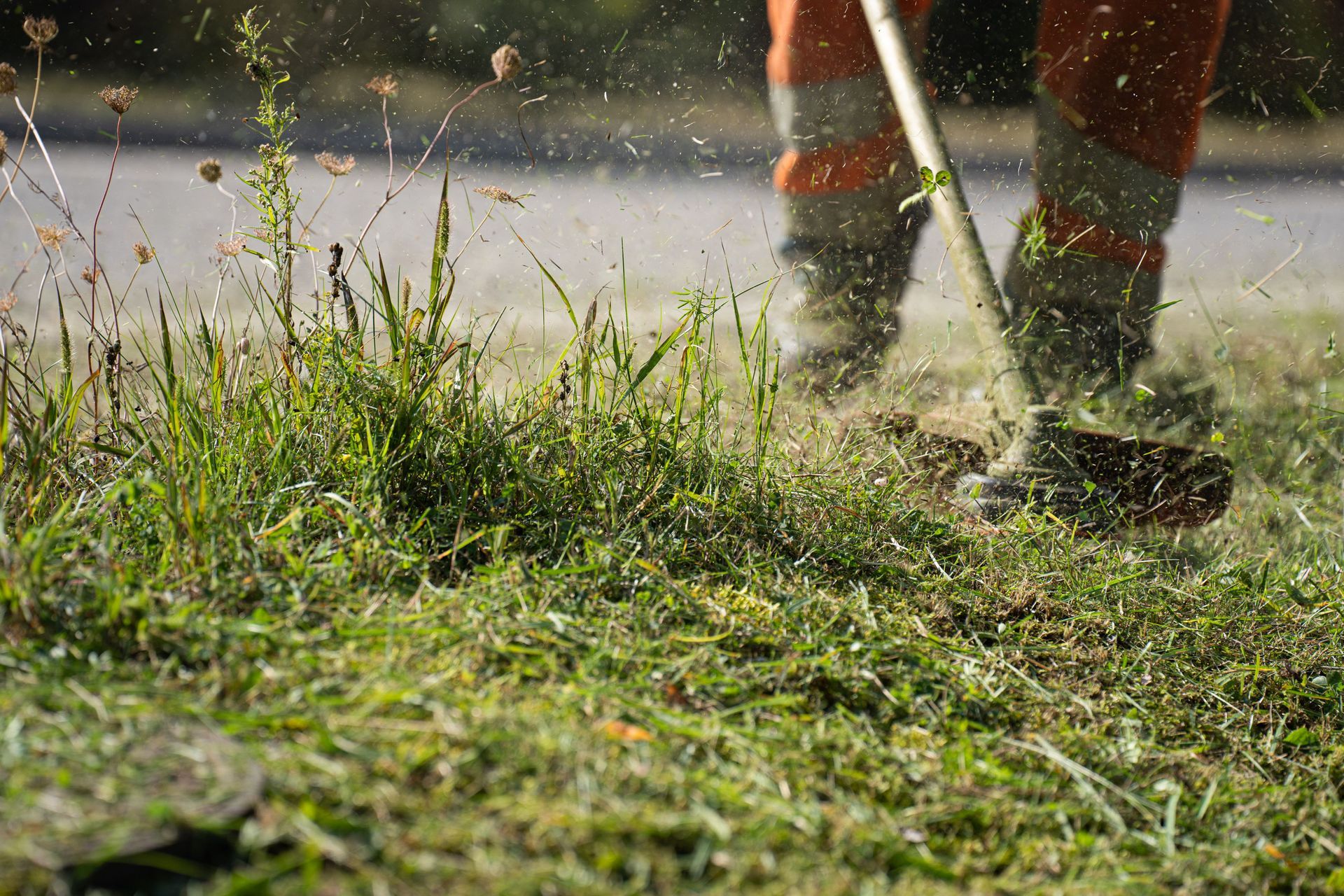
Once the property is cleared and the land is easier to see, the next step is deciding how the space should be used. This is where landscape design becomes important. Instead of adding grass and plants simply because the area is empty, the layout should support the way the homeowner, business, or community actually plans to use the property.
Some property owners want a larger lawn where children or pets can play. Others want a cleaner backyard with defined wooded edges and low-maintenance planting areas. A commercial property may need better visibility, easier access, or a more polished appearance around the building.
- Expand usable lawn: Cleared land may create room for a larger backyard or open recreation space.
- Create defined planting beds: Landscaping can help transition between maintained areas and natural wooded sections.
- Open space for future projects: The area may eventually be used for a patio, fire pit, shed, play area, or other outdoor feature.
- Improve access: Removing brush can create easier pathways around fences, buildings, utilities, and property lines.
- Clean up natural borders: A defined wooded edge can keep the landscape looking intentional instead of overgrown.
- Improve commercial or HOA areas: Cleared common areas may be easier to maintain, inspect, and use.
The right plan does not need to make the entire property formal. In fact, some of the most practical landscapes combine maintained lawn, planting areas, and natural sections. The important part is that each area has a purpose and a maintenance plan.
Drainage and Grading Should Be Part of the Plan
Drainage is one of the most important things to consider after land clearing. Dense vegetation can hide low spots, erosion, and the natural path of stormwater. Once that vegetation is removed, it becomes much easier to see how water moves across the property.
Before installing new lawn or landscaping, property owners should pay attention to areas that stay wet after rain and places where runoff moves toward structures, driveways, or neighboring properties. Landscaping over an existing drainage problem usually does not make the problem disappear.
Grading can also affect how useful the new space becomes. A slope that is too steep may be difficult to mow. A low area may remain muddy. Uneven ground can make future landscaping or construction more difficult.
- Watch where water flows during a heavy rain.
- Identify low areas that stay wet longer than the rest of the property.
- Check whether runoff is moving toward the home, building, or foundation.
- Look for erosion or exposed soil after vegetation is removed.
- Consider how future lawn or planting areas will affect water movement.
- Make sure maintenance equipment will be able to safely access the finished area.
Addressing grading and drainage before planting can help protect the investment in the new landscape. It can also make the property more functional and reduce the chance that certain areas will constantly require repairs.
Choose Landscaping That Fits the Property and the Maintenance Level
A newly cleared space can be exciting because it offers so many possibilities, but it is easy to create more maintenance than expected. Large planting beds, fast-growing shrubs, and difficult-to-reach lawn areas can become frustrating if the property owner does not want to spend significant time maintaining them.
A better approach is to choose a landscape that fits both the property and the owner's long-term expectations. That may mean simpler planting beds, more defined mowing areas, clear borders, and vegetation that does not constantly spread into neighboring spaces.
For people searching for landscape design in Marietta, GA after land clearing, the goal should be to turn the newly opened space into something that looks good now and remains manageable in the years ahead.
Total Brush Removal can help property owners move from initial brush removal and land clearing into the next phase of improving the space through grading, landscape planning, and vegetation management.
A Good Landscape Plan Should Also Make the Property Easier to Maintain
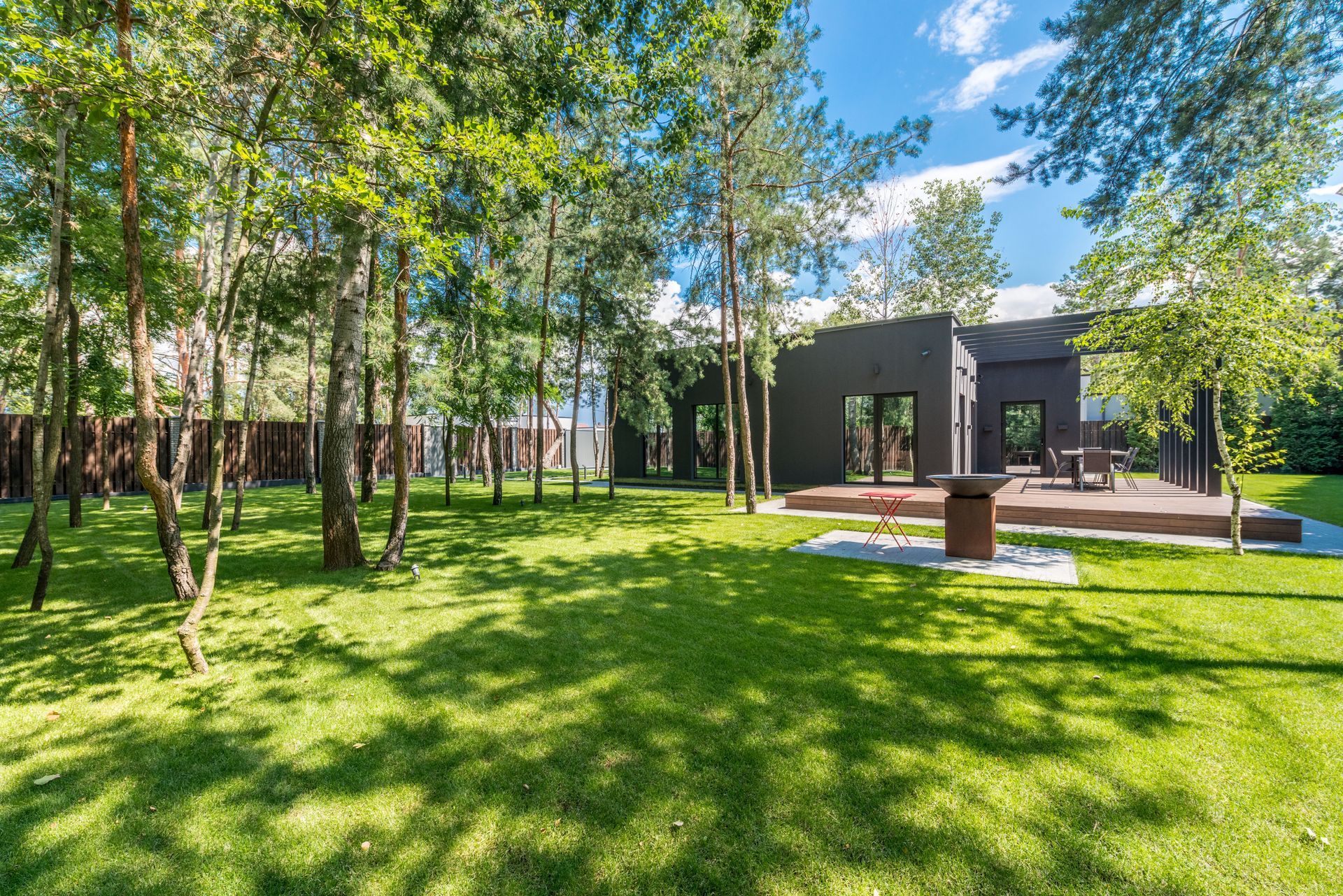
One of the biggest benefits of clearing an overgrown property is getting control of the space again. Without a long-term plan, however, vines, brush, weeds, and unwanted growth can gradually return.
That is why maintenance should be considered while the new landscape is being designed. The easier the property is to mow, trim, inspect, and access, the less likely it is to become heavily overgrown again.
- Create clear mowing lines: Defined lawn edges make routine maintenance faster and easier.
- Keep wooded edges controlled: Regular trimming can help prevent brush and vines from creeping back into maintained areas.
- Maintain access around fences: Clear fence lines are easier to inspect and repair.
- Watch invasive growth: Certain vines and aggressive plants can quickly take over newly cleared areas.
- Keep access to utilities and structures open: Overgrowth around sheds, equipment, drainage areas, or utilities can create maintenance problems.
- Schedule vegetation management before growth becomes severe: Routine control is often easier than another major clearing project later.
Vegetation management can be especially useful for larger properties, commercial sites, HOAs, and areas where brush grows quickly. Keeping vegetation under control can improve visibility, maintain access, and help the property continue to look intentional.
What Should You Plan Before Landscaping a Newly Cleared Property?
Before starting the next phase, it helps to make a simple plan for the entire property. Even if every improvement will not happen at once, knowing where you are headed can prevent you from having to redo work later.
- How will the cleared area be used? Decide whether it will become lawn, landscaping, recreation space, access space, or remain partially natural.
- What trees or wooded sections should stay? Preserving selected areas can provide shade, privacy, and character.
- Where should lawn and planting beds go? Choose locations based on sun, slope, drainage, and maintenance.
- Does the property drain correctly? Address standing water and erosion before installing finished landscaping.
- Are future structures planned? Think ahead about patios, fences, sheds, play areas, or other improvements.
- How much maintenance do you want? The final design should match the amount of ongoing work you are comfortable with.
- Where is brush most likely to return? Plan for vegetation management along wooded edges and less frequently used areas.
These questions help turn a blank, newly cleared space into a practical plan. They can also help homeowners avoid making decisions based only on how the property looks immediately after clearing.
Land Clearing and Landscape Design in Marietta, GA
Total Brush Removal provides land clearing, brush removal, landscape and design services, and vegetation management for residential and commercial properties throughout Marietta, GA and surrounding areas.
Their service area includes Marietta, Smyrna, Kennesaw, Acworth, Alpharetta, Roswell, Sandy Springs, Atlanta, Dunwoody, Decatur, Mableton, Austell, and nearby communities.
Whether a property has been heavily overgrown for years or simply needs to be opened up for a new use, clearing the land creates an opportunity to rethink the space. With the brush removed, homeowners and property managers can evaluate drainage, grading, trees, access, and future landscaping before deciding what should come next.
The best finished landscapes are not only attractive. They are functional, easier to maintain, and designed around the way the property will actually be used.
If you are searching for land clearing in Marietta, GA, landscape design in Marietta, property clearing, vegetation management, brush removal, or landscaping after land clearing, Total Brush Removal can help take the property from overgrown and difficult to use to cleared, planned, and ready for its next purpose.
Brush Clearing & Property Restoration Insights!