What to Do After a Storm Damages Your Property: A Cleanup Guide for Marietta Homeowners

Start With Safety Before You Start Cleaning
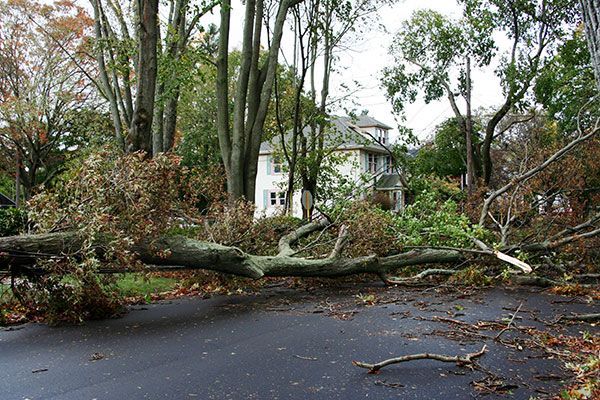
Once a severe storm passes, it can be tempting to head outside immediately and start cleaning up. Fallen branches, scattered brush, damaged fencing, and piles of debris can make a property look chaotic, and most homeowners want to get things back to normal as quickly as possible. But storm damage is not always as straightforward as it looks. Trees and limbs can shift after the storm, damaged vegetation may be unstable, and debris can hide hazards underneath.
For homeowners in Marietta, GA and throughout the surrounding Metro Atlanta area, the safest first step is to assess the property carefully before beginning any major cleanup. You do not necessarily need to walk through every damaged area to understand what happened. In many cases, a visual inspection from a safe distance can give you enough information to determine whether the cleanup is manageable or whether professional storm debris removal is the better option.
Start by looking for anything that could create an immediate safety concern. Large fallen limbs, leaning trees, damaged trunks, and tangled piles of vegetation should be approached cautiously. A branch that appears stable may still be partially attached or resting under tension, which can make it unpredictable when moved.
Downed utility lines require even more caution. Never assume a fallen line is inactive, and do not attempt to remove branches or vegetation that are touching or lying near electrical equipment. Those situations should be reported to the appropriate utility provider or emergency service before property cleanup begins.
What to Check Around Your Property After a Storm
Once immediate hazards have been identified, take a broader look at how the storm affected the property. Strong wind and heavy rain can move vegetation into areas that normally remain clear, block access points, and create new drainage problems.
From a safe location, homeowners can look for:
- Fallen branches blocking driveways, sidewalks, or walkways
- Damaged or leaning trees near homes, fences, and other structures
- Heavy brush pushed into roads or property access points
- Debris collecting near storm drains, drainage channels, or low areas
- Damaged fencing hidden beneath fallen vegetation
- Large piles of limbs or brush that would be difficult to move by hand
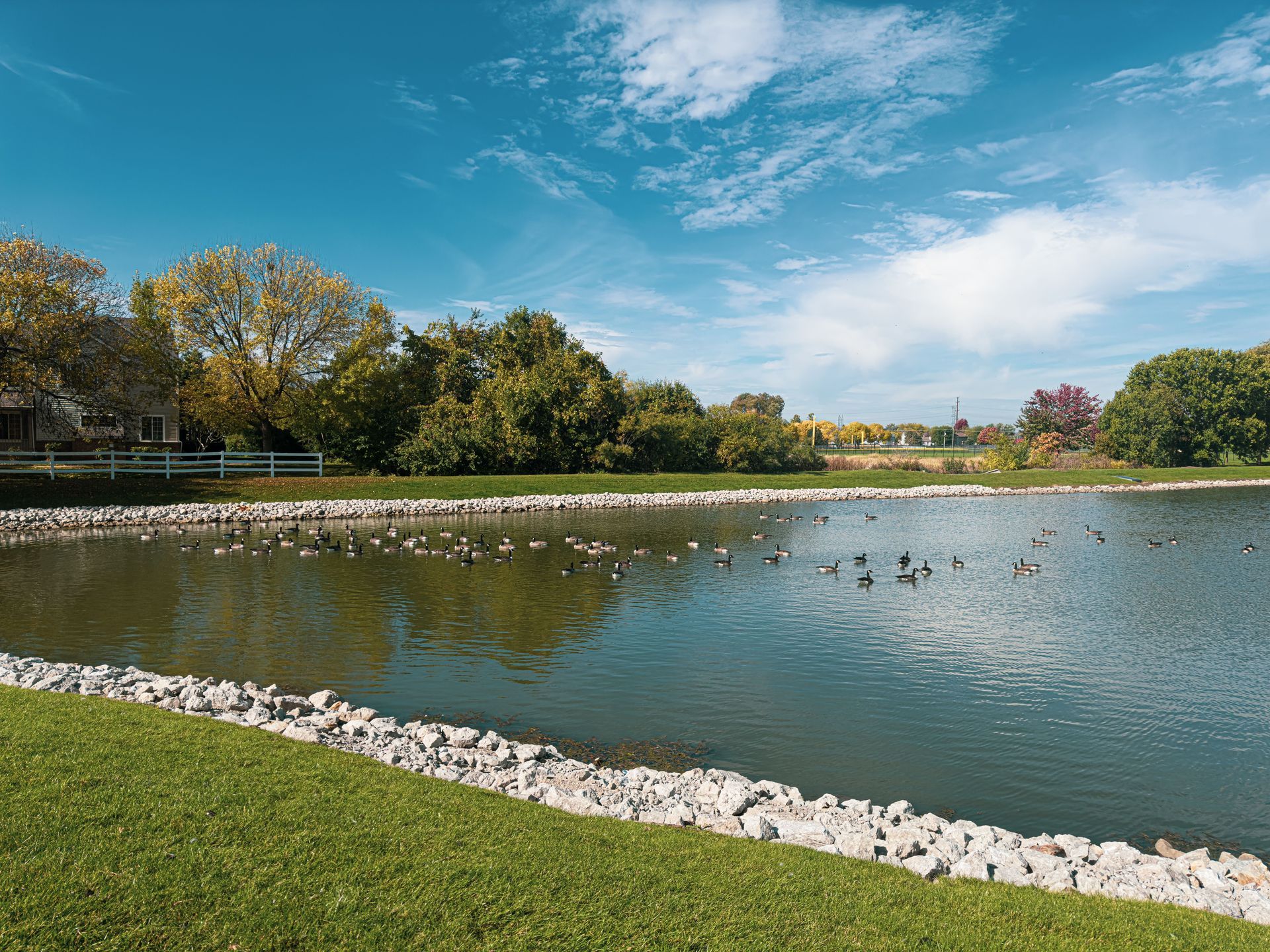
- Storm debris around retention ponds or other drainage areas
Access is often one of the first problems after a major storm. A driveway may be partially blocked by limbs, or dense debris may prevent homeowners, landscapers, maintenance crews, or emergency personnel from reaching parts of the property. Clearing those routes can become an important first step in restoring normal use of the property.
It is also worth checking drainage areas before the next rainfall. Storms can wash leaves, limbs, brush, and loose vegetation into swales, ditches, retention areas, and other drainage routes. If that material remains in place, it may interfere with water flow during future storms.
The goal immediately after a storm is not necessarily to make the entire property look perfect. It is to identify hazards, restore necessary access, and determine which areas need professional attention. Once those priorities are handled, the larger cleanup can move forward in a safer and more organized way.
What Professional Storm Cleanup Actually Involves
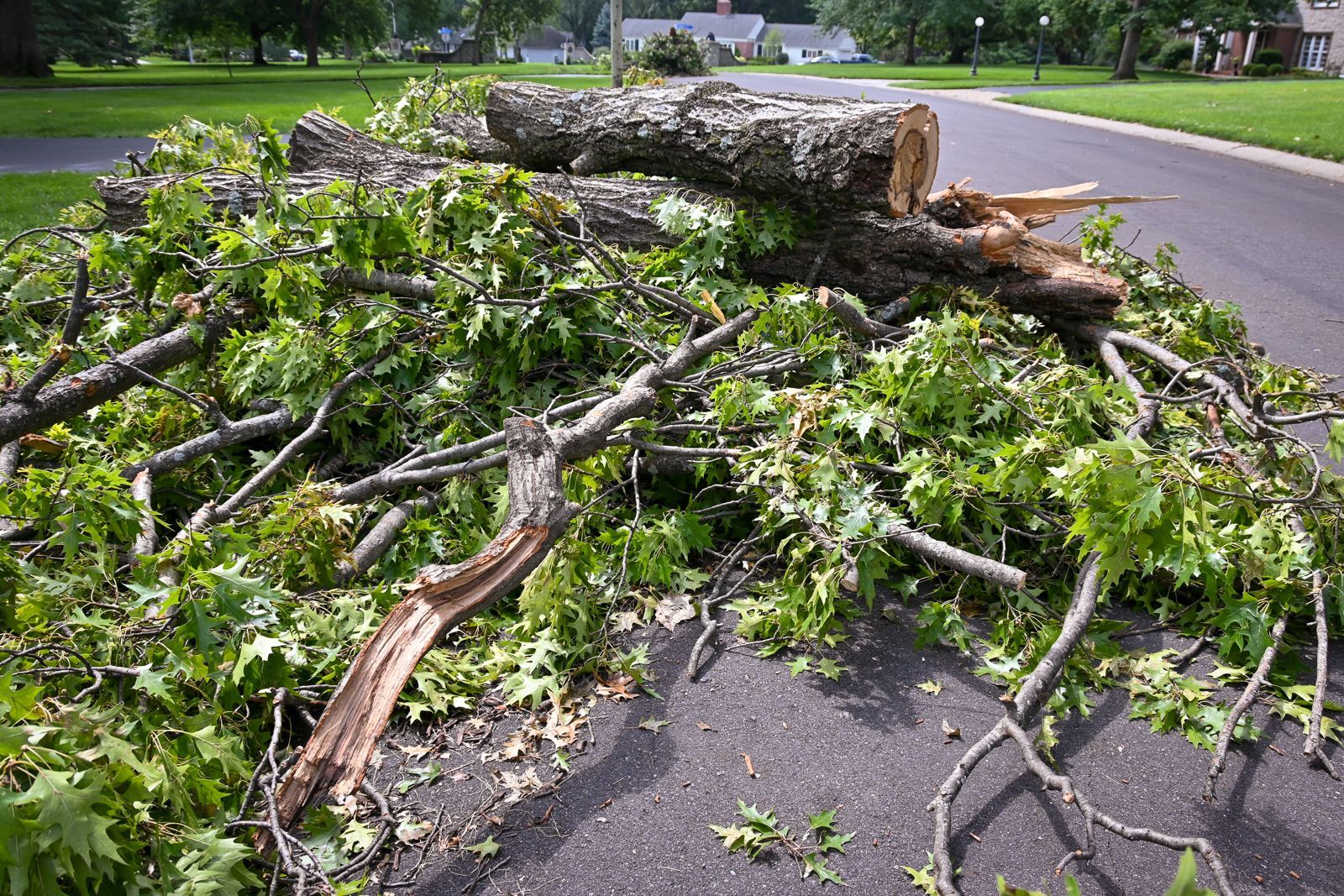
Storm cleanup can range from picking up a few scattered branches to removing large amounts of fallen vegetation across an entire property. When the damage is extensive, professional cleanup helps homeowners and property managers deal with the volume of material efficiently while reducing the risks involved with moving heavy or unstable debris.
One of the first priorities is usually removing fallen limbs and brush from areas that need to remain accessible. Driveways, walkways, parking areas, service roads, and entrances can all become blocked after heavy wind or storms. On larger commercial or HOA-managed properties, even a relatively small amount of debris in the wrong location can interfere with residents, customers, maintenance crews, or deliveries.
Professional storm debris removal can also include clearing damaged vegetation that has been pushed into yards, wooded edges, drainage areas, or common spaces. Rather than simply moving the debris to another part of the property, the material can be gathered and removed so the area is easier to inspect and maintain afterward.
Storm cleanup may reveal problems that were not obvious before the weather event. Dense brush can hide damaged fencing, erosion, drainage issues, fallen smaller trees, or areas where vegetation has become difficult to manage. Once the immediate debris is cleared, property owners can get a much better look at what else may need attention.
When Storm Cleanup Becomes Too Much for a DIY Project
Picking up small sticks and lightweight branches is one thing. Moving heavy limbs, tangled brush, or large quantities of storm debris is something very different. The weight and awkward shape of fallen vegetation can make cleanup difficult even when individual pieces do not look especially large.
Professional storm cleanup is especially useful when:
- Large or heavy limbs need to be removed
- Multiple areas of the property are covered in storm debris
- Dense brush has been pushed into driveways or access routes
- The property includes steep, wooded, or difficult-to-reach terrain
- Debris is blocking drainage routes or retention areas
- An HOA or commercial property needs a large common area cleared
- The cleanup requires equipment that is not practical for a homeowner to rent or operate
Large properties can be particularly challenging because the debris may be spread across several acres or multiple common areas. HOAs, apartment communities, commercial properties, and other managed spaces may need entrances, sidewalks, drainage areas, and shared green spaces cleared quickly so normal operations can resume.
Drainage should also be part of the cleanup plan. Branches and vegetation left in drainage channels or near retention ponds can create problems during the next heavy rainfall. Removing storm debris from these areas helps keep water routes accessible and makes it easier to identify whether erosion, sediment buildup, or additional maintenance is needed.
For property owners in Marietta, Smyrna, Kennesaw, Acworth, Woodstock, Roswell, Alpharetta, Canton, Sandy Springs, Atlanta, and nearby communities, professional storm cleanup can help turn a heavily damaged property back into a space that is safe, accessible, and manageable.
Use Storm Cleanup as an Opportunity to Improve the Property
Once the immediate storm debris is gone, homeowners and property managers often get a clearer view of the condition of the land. Areas that were previously hidden by dense vegetation may suddenly be exposed, and storm damage can reveal overgrowth, blocked drainage routes, or difficult-to-maintain sections that were already becoming a problem.
This makes post-storm cleanup a good time to think beyond simply restoring the property to the way it looked before. If brush had already taken over part of a fence line, wooded edge, drainage area, or unused section of the yard, additional brush removal may make the space easier to manage moving forward.
The same applies to access routes. A storm may make it obvious that maintenance equipment cannot easily reach certain parts of the property because of dense vegetation or narrow paths. Clearing those areas after the immediate storm cleanup can create better access for future landscaping, drainage work, inspections, and routine maintenance.
Storms can also expose dead, weak, or unstable vegetation that had been hidden within heavy brush. Removing damaged material and reducing excessive overgrowth can make it easier to keep an eye on the property and identify future concerns before another major weather event occurs.
Make Future Storm Cleanup Easier
No property can be completely protected from severe weather, but routine vegetation management can make future cleanup more manageable. Keeping important areas accessible and preventing brush from becoming excessively dense can reduce the amount of material that gets pushed into driveways, walkways, drainage routes, and common areas during storms.
Property owners can prepare by:
- Keeping driveways, service roads, and access paths free of heavy overgrowth
- Removing dead or damaged brush before it becomes storm debris
- Maintaining vegetation around drainage channels and retention ponds
- Keeping fence lines and property boundaries accessible
- Monitoring wooded edges for fallen or unstable vegetation
- Scheduling brush removal when overgrowth begins making routine maintenance difficult
- Inspecting drainage routes periodically for accumulated limbs and debris
For HOAs and commercial property managers, having a regular plan for vegetation management can be especially useful. Large common areas, retention ponds, wooded property lines, and undeveloped sections can become overgrown gradually, making storm cleanup much more complicated when severe weather eventually moves through.
Addressing these areas before they become heavily overgrown can improve access and make it easier to respond when unexpected cleanup is needed. It can also help maintenance crews reach drainage systems, fences, utilities, and other important areas of the property.
Total Brush Removal provides storm damage cleanup, brush removal, property cleanup, and vegetation management for residential, commercial, and HOA-managed properties throughout Marietta and the surrounding Metro Atlanta area. Whether a storm has left fallen limbs across a driveway or scattered heavy debris throughout a larger property, professional cleanup can help restore access and make the next steps easier to manage.
If your property in Marietta, Smyrna, Kennesaw, Acworth, Alpharetta, Roswell, Sandy Springs, Woodstock, Canton, Atlanta, or a nearby community has been affected by severe weather, the first priority should always be safety. Once immediate hazards are addressed, clearing storm debris and managing damaged vegetation can help get the property back under control.
A thorough cleanup does more than remove what the storm left behind. It creates an opportunity to improve access, identify problem areas, manage overgrowth, and leave the property better prepared for future maintenance and whatever the next Georgia storm may bring.
Brush Clearing & Property Restoration Insights!